Aidex Education Systems: From Plows to Precision: The Evolution of Agriculture Education
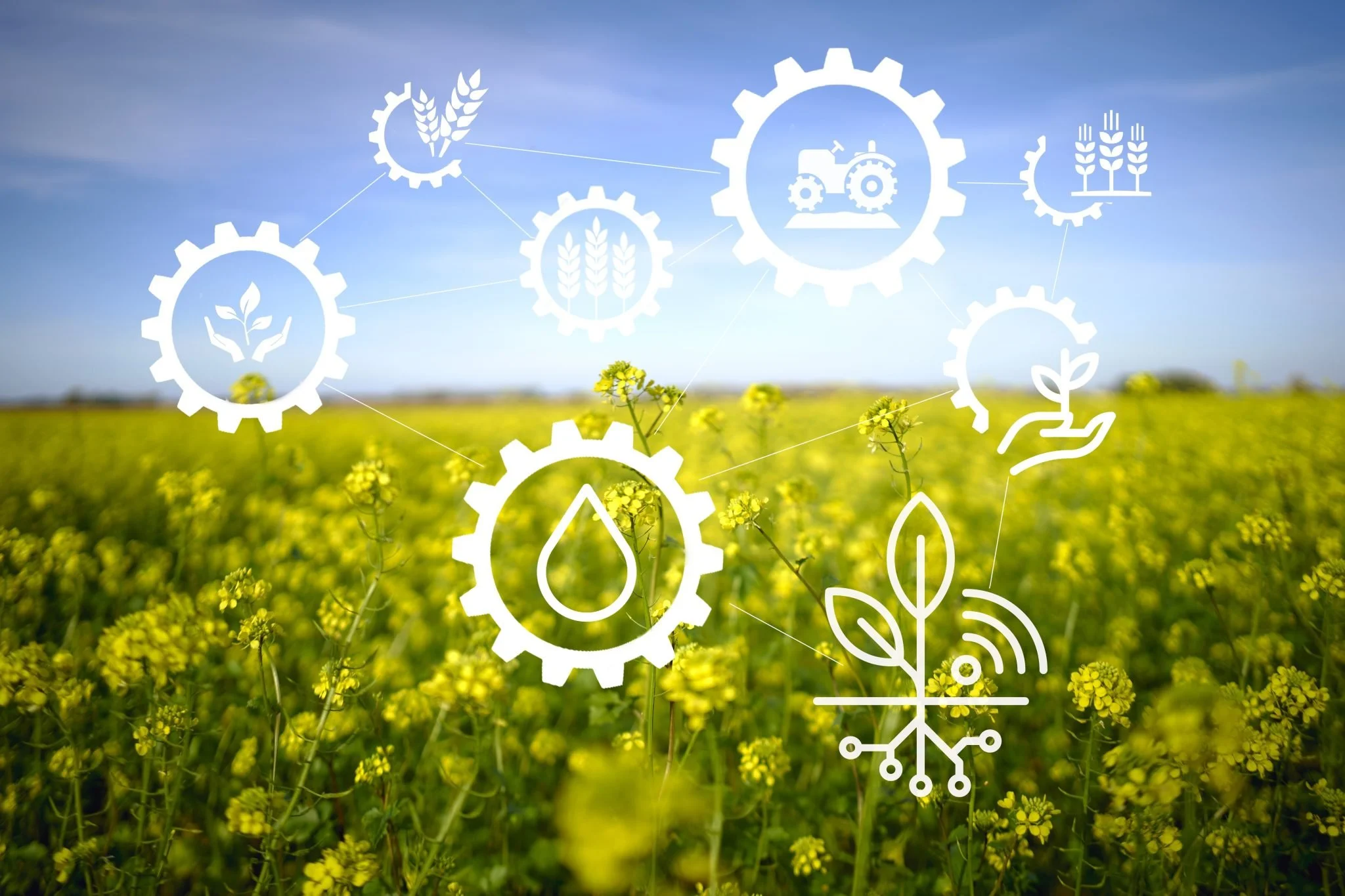
For generations, agriculture education was rooted in tradition. Students learned by doing, often through direct exposure to crops, livestock, and equipment passed down through families or local farms. While those foundational skills remain important, the agriculture industry itself has transformed dramatically. Today’s farms look very different than they did even 20 years ago, and agriculture education has evolved right alongside them.
Modern agriculture classrooms are no longer limited to fields and barns. They now include advanced technology labs, simulators, renewable energy systems, and autonomous equipment that reflect how food, fuel, and fiber are produced today. Understanding this evolution helps educators, administrators, and industry partners ensure students are prepared for the realities of the modern agricultural workforce.
Traditional Agriculture Education
Historically, agriculture education focused on hands-on, manual skills. Instruction centered on:
Crop production and soil management
Livestock care and animal husbandry
Mechanical repair of basic farm equipment
Seasonal planning and weather awareness
Students often learned through observation, repetition, and real-world experience on working farms. Programs emphasized physical labor, mechanical aptitude, and practical problem-solving. These skills built a strong foundation and fostered a deep respect for the land, but they reflected an industry that relied heavily on human input and relatively simple machinery.
At the time, this approach made sense. Agriculture was less data-driven and more dependent on experience and instinct. Technology existed, but it was limited in scope and accessibility, especially in educational environments.
Technology Enters the Field
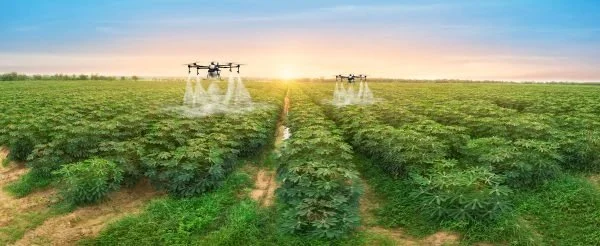
As agriculture began adopting advanced machinery, sensors, and digital tools, education programs had to adapt. GPS-guided equipment, automated systems, and data analytics started changing how farms operated. Efficiency, precision, and sustainability became central goals.
This shift required a new kind of agricultural professional. Modern agriculture students need to understand not only how equipment works, but why it works and how technology improves outcomes. Education moved beyond “how to operate” toward “how to optimize.”
New Agriculture Education
Today’s agriculture education blends traditional knowledge with advanced technology. Programs now emphasize:
Automation and robotics
Renewable energy and sustainability
Heavy equipment operation and safety
Data-driven decision-making
Systems thinking and problem-solving
This evolution reflects the reality that agriculture is now one of the most technologically advanced industries in the world.
Autonomous Systems and Robotics in Agriculture
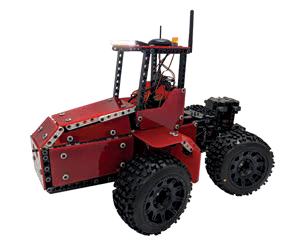
Autonomous equipment is no longer experimental. Self-driving tractors, drones, and robotic systems are actively used to improve efficiency, reduce labor strain, and increase precision in planting, spraying, and harvesting.
Learning tools like the MINDS-i Self-Driving Tractor & Drone Learning Lab allow students to explore these technologies in a classroom-safe environment. Through hands-on interaction, students learn principles of autonomous navigation, robotics, and modern farming practices. Instead of simply hearing about automation, they experience how these systems function and why they matter in today’s agriculture industry.
Heavy Equipment Training Through Simulation
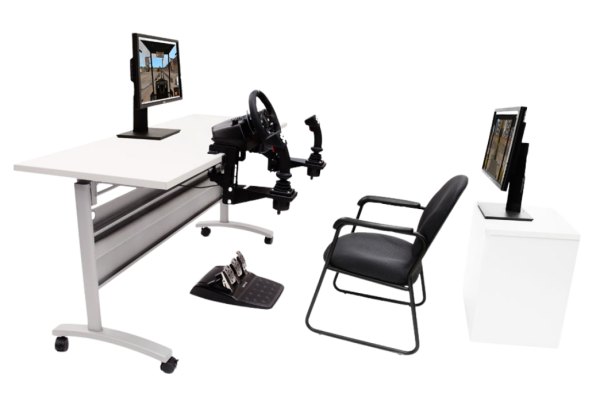
Operating heavy machinery is a critical skill in agriculture, but access to equipment can be expensive, risky, and limited by weather or scheduling.
CAT Simulators, built specifically for education and workforce development, solve this challenge by allowing students to understand the process of operating heavy equipment in a controlled environment. Learners can practice real-world scenarios, build muscle memory, and gain confidence before ever stepping into the field. This approach improves safety, reduces equipment wear, and ensures more students have equal access to high-quality training.
Renewable Energy and Sustainable Agriculture
Sustainability is no longer optional in agriculture. Wind and solar energy play an increasing role in powering operations and supporting environmentally responsible practices
The Amatrol Wind Concepts Learning System and Solar Concepts Learning System introduce students to renewable energy technologies that directly connect to modern agricultural applications. These systems help learners understand how alternative energy sources integrate into farming operations, preparing them for careers that intersect agriculture, energy, and environmental stewardship.
Understanding Modern Power Systems
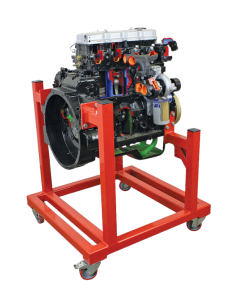
Even as agriculture becomes more automated, understanding the mechanics behind equipment remains essential. Diesel engines continue to power much of the industry, especially in heavy-duty applications.
The LJ Create Sectioned Diesel Engine Trainer gives students a clear, hands-on look at engine components and operation. By seeing internal systems up close, learners develop a deeper understanding of how modern machinery functions, bridging the gap between mechanical fundamentals and advanced technology.
From Experience-Based to Skill-Based Learning
One of the most significant changes in agriculture education is the shift from experience-based learning alone to skill-based, career-aligned instruction. While experience still matters, today’s programs focus on measurable competencies that align with workforce needs.
Students graduate with:
Technical skills relevant to modern equipment
Exposure to industry-standard technology
Confidence in problem-solving and critical thinking
A clearer understanding of diverse career pathways in agriculture
This approach ensures agriculture education remains relevant and valuable, especially as workforce shortages continue to challenge the industry.
Honoring the Past While Preparing for the Future
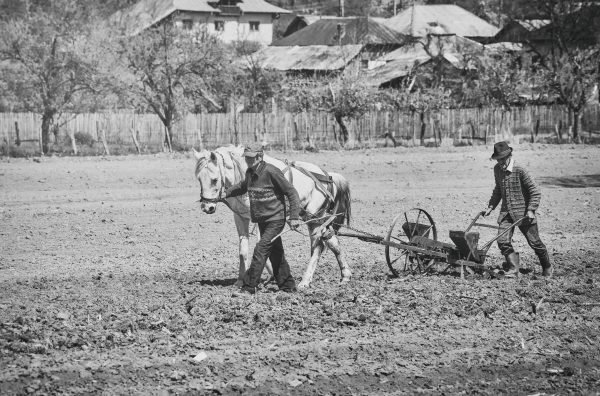
The evolution of agriculture education does not replace traditional knowledge. Instead, it builds upon it. Understanding soil, crops, animals, and seasons remains foundational. What has changed is how students apply that knowledge using advanced tools and technologies.
By combining hands-on learning with modern systems like autonomous equipment, simulators, renewable energy trainers, and mechanical cutaways, today’s agriculture programs reflect the true scope of the industry.
Looking Ahead
Agriculture will continue to evolve, and education must evolve with it. Programs that embrace modern tools and real-world applications help students see agriculture not just as farming, but as a dynamic, technology-driven career field with endless opportunities.
A Special Thank You to AIDEX and their contribution to this blog.
Investing in modern agriculture education means investing in the future of food production, sustainability, and workforce development. By bridging the gap between old and new, educators can ensure students are ready to lead the next generation of agriculture innovation.